A Summer of Small Joys: Simple Ways to Support Your Mental Health Over Break

You made it through the spring semester, congrats! The whirlwind of exams, papers, projects, and campus jobs has quieted down, and you’ve reached the beautiful promise on the other side: summer, with its long days of sunshine, an open schedule to fill however you like, and warm temperatures that beckon you outdoors.
Summer break isn't always the break we expect. Remember to take care of yourself.

But even with the delights of this season, your mental health deserves to be top of mind. Leaving campus and returning home for a few months is a transition, and transitions tend to take extra energy. And for some of us, going home is complicated. It’s okay if you’re finding that summer isn’t starting the way you pictured or isn’t feeling light and cheery. However summer is feeling for you so far, here are some ways to support your mental health this season.
Find small joys ✨
Joy feels open, safe, and easeful. Unlike happiness, joy usually comes from within us and is a deeper layer of contentment. It stems from how we notice and appreciate our lives. Because of this, joy can be built by tiny moments—small points of light that make the ordinary glow. It doesn’t have to be a really big emotion or experience.
Often, our senses are the doorway to joy. We touch, taste, and smell the things that delight us. Being open to joy includes having an open mindset and being able to register positive feelings. That means the ability to be present—and bringing yourself back with kindness when you get distracted—is key to finding small joys.
During the summer, small joys might look like:
- Savoring the flavor of iced coffee or warm tea in the morning
- A meandering walk in your neighborhood or park
- A phone call with a friend or loved one
- The scent of blooming flowers
- A hug from someone you care about
- The chirping of birds outside your window
Stick to a routine 🕒
Part of the beauty of summer is the freedom that accompanies it. No classes, homework, or meetings = wide-open days with freedom to do whatever you can imagine. But as exhilarating as that sounds, few people thrive without at least some structure. Plus, your mental and physical health will benefit from a few regular habits. These might sound basic, but they are the ingredients for feeling good in your mind and body during any time of year:
- Eat well and stay hydrated. Nourish yourself with balanced meals; aim to have fruits and veggies fill about half your plate, with one-quarter for whole grains and one-quarter for protein. Replenish your body by drinking water consistently throughout the day—and remember to bring a refillable bottle if you’re going on an outdoor adventure.
- Structure your time. Stick to a regular bedtime and wake-up time, with room for flexibility when needed (such as when you’re on vacation). Plan out mealtimes and slots for regular exercise and self-care. Too much unplanned time can make it harder to return to the whirlwind of deadlines, homework, and school responsibilities.
- Prioritize rest—including sleep. This can be tough, but it’s oh-so-important for your mood and energy. Let yourself do things that leave you feeling recharged, even if those things don’t seem “productive.” Remember that rest is productive because it rejuvenates you. For sleep, seven to nine hours is a good range to aim for to avoid daytime drowsiness. Consider setting timers for how long you’ll engage with certain apps and consider setting a time each night when you’ll put all tech away.
- Get active. Try to spend a little time most days moving your body. Experiment with nature or beach walks, biking, hiking, yoga, weight lifting, dance classes, tennis, or kayaking. No matter what you choose, the key is figuring out what you like most, because that’s what you’ll actually do.
Connect with community 🤝
Being with your people can be an immense source of joy. Friends, family, partners, community organizations, sports teams, religious groups, local classes—community can take dozens of forms, but what matters is nurturing the connections that resonate for you. Who puts a smile on your face? Who makes you feel heard and seen? Where do you feel like you belong? Carving out regular time for face-to-face connection is key to boosting your mood and combating the potential for isolation during summer months. A few ideas for fostering connection:
- Plan regular coffee hangouts with a friend or two
- Take a class
- Join a community sports league
- Hang out with your siblings, cousins, or neighbors (try the park, the pool, or turn the backyard into a game zone)
- Schedule a regular video chat with distant friends or relatives
- Start a book club, language practice club, or arts and crafts group
Embrace nature 🌿
Late summer sunsets offer an extra dose of sunshine and more time to step outside. Studies show that being in nature reduces stress and improves mood. Soaking up sunshine can also increase vitamin D, which boosts mental health. And nature doesn’t have to mean a trip to the beach or an expedition in the mountains. You can find your corner of nature not far from where you live, wherever you are:
- Stroll around your neighborhood
- Swim at an outdoor pool or lake
- Browse farmers markets
- Check out local festivals
- Volunteer at a community garden or start one in your own yard
- Bike or hike on trails
- Read outdoors at a spot that feels calm and peaceful
- Go berry picking at a local farm
- Take a trip to the beach
How Widener can support your mental health during the summer
Remember, we’re still here for you when you’re at home. These resources are available to support your well-being all summer long:
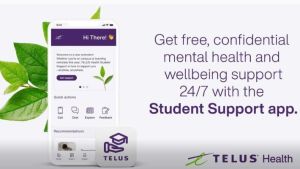
TELUS Health Student Support
The TELUS Health Student Support app offers free, confidential virtual counseling 24/7 for Chester campus students. You can talk to a professional counselor via chat, phone, or video. Sessions are offered in multiple languages, and the app also provides crisis support for urgent situations, day or night.

Mental Health on mySuccess
You'll find a suite of mental health resources on mySuccess to support your well-being, build resilience, and connect you with care. Explore self-guided tools, mental health screenings, crisis and suicide prevention resources, provider referrals, and guidance on topics like relationships, grief, stress, and belonging.
As you move through the season, remember that well-being is built one small moment at a time. Enjoy your summer, take care of yourself, and know that your Widener community misses you already and can't wait to welcome you back to campus. 💙🦁💛
Catherine Feminella, EdD serves as Associate Vice President and Associate Dean for Wellbeing and Belonging at Widener University, where she champions student success, leadership development, and a strong sense of community. A four-time Widener alumna, she is deeply committed to fostering belonging on campus and advancing the well-being of both students and the Chester community she has proudly called home for more than 20 years.