Career Fair 101: How to Prepare, Network, & Follow Up

Feeling anxious before a career fair is something almost every student experiences, so know you are not alone. This guide is designed to help you navigate those nerves and approach the event with confidence. We will walk you through what to expect, how to prepare, and ways to make the most of every interaction so you can turn the career fair into a productive and even enjoyable experience!
What is the Purpose of a Career Fair?
A career fair is a chance for you to explore different industries, get a sense of what employers are looking for, and have real conversations with professionals. It’s a low-pressure space to ask questions, learn about different roles, and start building connections that may be helpful down the road. At the same time, a career fair is not a test of your experience, your resume, or your confidence, and it’s not expected that you’ll leave with a job or internship offer. Instead, what you will leave with is a clearer sense of your options and a stronger network for the future.
How to Prepare Before the Fair
Preparing ahead of time can help you feel more confident walking into the career fair. These steps will help you feel ready to engage and make the most of each conversation:
Research the Employers
Researching the employers that will be attending will provide a better understanding of their organization and open positions. Even a quick scan of an employer’s website or Handshake profile can give you helpful talking points and questions to ask.
Updating Your Resume
Before the career fair, take some time to review and update your resume so it reflects your most recent experiences, skills, and activities. This might include part-time jobs, internships, campus involvement, volunteer work, or relevant coursework.
Need help creating or updating your resume? Explore resume, cover letter, and portfolio resources.
Planning What to Wear
Choosing your outfit ahead of time can help reduce stress and boost your confidence. For most career fairs, business casual is a safe choice. Think slacks or a skirt with a blouse or button-down, a simple dress, or a sweater layered over a collared shirt. The goal is to look polished while still feeling comfortable so you can stay focused on conversations. Try to avoid overly casual or distracting clothing, like graphic tees, ripped jeans, or flip-flops.
Day of the Career Fair Checklist
Once you’ve done the preparation, the day of the career fair becomes about showing up, staying present, and taking things one conversation at a time. Use this checklist as a quick reminder of what to focus on when you arrive.
- Review the employers attending and prioritize a few you’re excited to speak with
- Bring several copies of your resume and keep them neatly organized
- Practice a short introduction so starting conversations feels more natural
- Arrive a little early to get settled and familiarize yourself with the layout
- Take brief notes after each conversation to help with follow-up later
- Collect business cards or contact information when available
- Keep an open mind, stay positive, and remember that every interaction is a learning experience
Networking During the Fair
Starting a conversation is an important first step at a career fair and can be made easier by preparing simple self-introductions in advance. Knowing what to say when approaching an employer helps you confidently introduce yourself with your name, major, and interests, which sets a professional tone.
Asking questions without pressure allows the conversation to flow naturally while showing genuine interest in the organization. Making a positive impression also involves staying engaged and present by listening carefully, maintaining eye contact, and responding thoughtfully. Managing nerves in the moment is key, and taking a deep breath, speaking clearly, and remembering that employers expect students to feel nervous can help you stay calm and focused.
Example of an initial statement:
"Hello, my name is ____ and I am a ______ Major. I wanted to stop by and learn more about your company and the types of roles you offer."
"Good afternoon, my name is _____. I noticed your company focuses on _____ and I was interested in learning more."
What to Do When Things Feel Awkward
When things feel awkward, it helps to remember that uncomfortable moments are completely normal, especially when meeting new people. Normalizing these moments can ease nerves and remind you that employers expect conversations to feel a little clumsy at times. Knowing how to exit politely, such as thanking the employer for their time and saying you enjoyed speaking with them, keeps the interaction positive. Most importantly, moving on without discouragement allows you to stay confident and open, understanding that every conversation is a chance to practice and grow.
After the Career Fair
After the career fair, taking a little time to follow up with employers is a great way to stay connected and show appreciation for the conversations you had. Sending a quick thank-you message or connecting on Handshake or LinkedIn, can help keep those interactions fresh. Reflecting on what went well and what you could improve makes the experience even more valuable. Using what you learned going forward can help you feel more prepared and confident at future career fairs!
Campus Resources That Can Help
You'll find a variety of campus resources designed to support you before, during, and after the event. Whether you’re looking for help preparing your resume, practicing conversations with employers, or exploring career options, these tools and offices are here to help you feel more confident and prepared:
Career Design & Development: The Office of Career Design & Development offers one-on-one career counseling to help you prepare what to say to employers, review and improve your resume, practice interviews, and develop a plan for navigating the career field with confidence.
Handshake: Handshake allows you to research employers attending the career fair ahead of time, sign up for events, and explore internships and job opportunities so you feel more prepared when speaking with recruiters.
My Career Success: My Career Success offers more advice, tips, and resources based on your specific needs, whether you are working on resumes, interview skills, or exploring career options.
Don't forget to keep an eye out for upcoming career fairs and recruiting events happening at Widener.
Finding & Attending External Career Fairs
Not all career fairs happen on campus. External career fairs, hosted by employers or industry organizations, are open to students from many colleges and offer exposure to a wider range of roles while building real-world networking skills. To find them, search intentionally using platforms that regularly post recruiting events and allow you to filter by location:
- Handshake: Search for career fairs by major, industry, or location. You can register for both in-person and virtual events directly through the platform.
- LinkedIn: Use the Events tab or search terms like “career fair” or your industry. Follow companies you’re interested in to stay updated on upcoming recruiting events.
- Eventbrite: Browse public career fairs, industry expos, and networking events that are often open to students from any school.
If you’re looking specifically for in-person career fairs in the Chester or Delaware County area, PA CareerLink Delaware County regularly posts local job fairs and hiring events where you can meet employers face-to-face.
Every Career Fair Conversation Counts
Even if you feel nervous, every experience helps you grow and become more confident over time. Keep encouraging yourself to take that next step and stay positive. You never know which connection you create will help you shape your future!
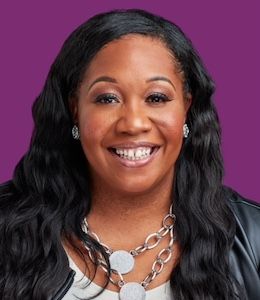
Katrina Robinson, Assistant Director of Career Design & Development, is a mentor, trainer, and coach passionate about helping others recognize their strengths and create pathways to meaningful opportunities. With more than 20 years of experience in community engagement, workforce development, training, and other fields, she is dedicated to empowering individuals to achieve their personal and professional goals.