Student-Athletes
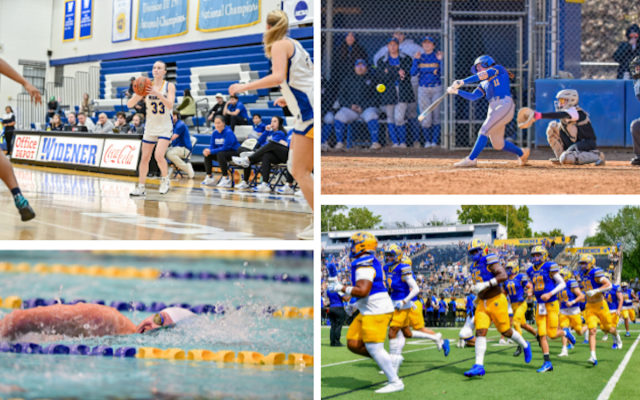
As a student-athlete, you’re part of a community that cheers you on—both on and off the field. Here you’ll find plenty of support to navigate not only college life but the unique challenges of being an athlete.
Go-To Athlete Resources
Policies & Requirements for Student-Athletes

Health Requirements & Forms
All student-athletes must be medically cleared each year and complete all required NCAA forms. Please contact athletics@widener.edu with any questions.
- Physical exam from a non-university health care provider (must be completed within six months of participating)
- Medical forms
- Documentation about illness or injury that caused time away from practice or games in the last 12 months
- Sickle cell trait lab test results
For the full policy and list of requirements, please visit the Student-Athlete Handbook.
- Physical exam at the Student Health Center
- An updated health questionnaire if your exam was completed in the spring for a fall sport
For the full policy and list of requirements, please visit the Student-Athlete Handbook.
All student-athletes will receive an email communication directly from their coach with required forms including the Pre-Participatory Physical Exam form and any other required medical forms specific to your athletic program.
You can return student-athlete health forms through one of the following methods:
- Email forms to studenthealth@widener.edu
- Drop forms in the drop box outside of Student Health Services. The building is located in Metropolitan Hall on the corner of 17th Street and Melrose Ave.

Academic Policies, Expectations & Support
Being a student-athlete means balancing your commitments in the classroom and in your sport. To stay eligible to participate in Widener Athletics, you’ll need to meet certain academic requirements—but you don’t have to navigate them alone. Know what’s expected, keep an eye on your progress, and reach out early if you need support.
GPA Requirements for Student-Athletes:
| Credits Attempted | Minimum Cumulative GPA |
|---|---|
| 15.5 or fewer | 1.70 |
| 16–30.5 | 1.80 |
| 31–60.5 | 1.90 |
| 61+ | 2.00 |
Credit Requirements
Undergraduate student-athletes must take a minimum of 12 credits each semester. Graduate students must take a minimum of 6 credits each semester.
In addition to GPA and credit requirements, student-athletes must uphold academic integrity, including:
- Academic honesty
- Class attendance
- Zero tolerance for cheating and plagiarism
- Positive and respectful relationship with professors and academic staff
Reach out early if you’re struggling in a class, falling behind, or worried about your eligibility. Your academic advisor and coach can help you understand your options, make a plan, and connect you with the right support.
You also have access to academic coaching and tutoring at no additional cost, as well as support through the Writing Center and Math Center.
Communicate early with your professors about practices or games that conflict with class. By reaching out early, student-athletes can work with professors to find a mutual compromise.
Your team’s Faculty Athletics Representative can also help manage scheduling conflicts with class and practice schedules.
Resources for Student-Athletes
The H.U.B.
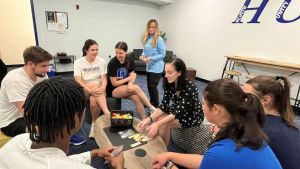
In addition to academic, well-being, and career resources available to all students, our athletes have access to student-athlete-focused support and workshops hosted at the Health, Unity, and Belonging (H.U.B.), located in the Schwartz Athletic Center. Student-athletes can sometimes encounter performance anxiety and burnout as they balance school with athletics. The H.U.B. is here to help counter that as a dedicated safe space for student-athletes to unwind and recharge. The space includes drinks and nutritional snacks, countertop space and couches for students to do their work or relax, and calming colors.
Check Up from the Neck Up
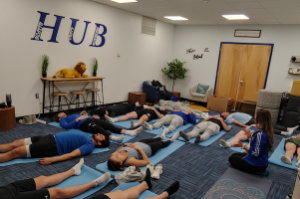
Check Up from the Neck Up is an initiative developed to provide mental health and well-being support to student-athletes at Widener University. Led by Counseling and Psychological Services and the Athletics Department, this program provides workshops in the H.U.B. each week throughout the semester. These workshops focus on life after sports, self-care, and stress management. Guided workshop discussions and yoga classes are held to help build resilience, plan for life after sports, and stay balanced throughout the season.

Nutrition with a Registered Dietician
Eating well is the foundation of your health and well-being. With Widener's registered dietitian, you can get personalized advice and support for your dietary needs. This expert is dedicated to educating you about nutrition, helping you make informed food choices, and fostering a healthier campus community. Their presence in the Pride Café ensures that you have access to valuable guidance, making dining at Widener a holistic experience.
Athletic Faculty Advisor Program
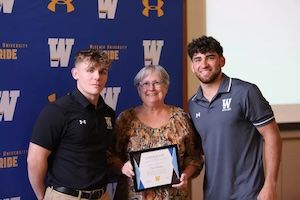
The Athletic Faculty Advisor Program bridges academics and athletics to support students, improve communication, and strengthen connections across campus. The program pairs at least one faculty member with each varsity team. Professors attend practices and games, get to know student-athletes, and serve as a less formal academic mentor by counseling students, answering questions, or directing them to resources. Faculty advisors also help athletes manage scheduling conflicts with class and practice schedules.
Widener Athletic Leadership Initiative
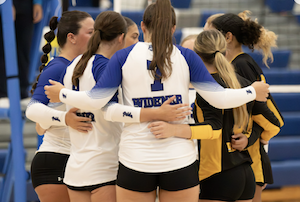
The Widener Athletic Leadership Initiative (WALI) helps student-athletes hone their leadership skills as both a teammate and a team leader during their years competing for the Pride. Student-athletes who apply and are accepted move through the program in a cohort and participate in interactive sessions, experiential learning, mentoring, and workshops with guest speakers. WALI emphasizes the link between athletics and leadership and allows athletes to discover their leadership style and practice tools they can use on the field and in their communities, careers, and personal lives.

Student-Athlete Advisory Committee
The Student-Athlete Advisory Committee (SAAC) is a group of student-athlete representatives from each varsity team that help create a positive, inclusive athletics experience. The members of SAAC offer a student-athlete voice within Widener’s Athletic Department and the Middle Atlantic Conference, build community among all teams, and encourage student-athlete involvement in community and campus service projects. Students who are elected to serve as chairs on special SAAC committees organize monthly committee meetings.
For more information, please reach out to your coach or Associate Athletic Director Larissa Gillespie.

More Than the Game—Part of Something Bigger
Beyond sports, student-athletes are highly engaged on the Widener campus and in the Chester community. Our teams volunteer at move-in, take part in Homecoming activities, organize service activities, and celebrate Student-Athlete Appreciation Day every year with fun events, including soft pretzels, water ice, food trucks, and pickleball tournaments. There are plenty of ways to have fun and get involved off the field at Widener.
FAQs for Student-Athletes
You can reach out to your coach via email—check out the athletics directory to find their contact information.
Being a student-athlete means juggling intense training schedules, coursework, and personal commitments. The key to finding balance without getting overwhelmed lies in strategic time management, prioritization, and using resources. Let’s dig into balancing these techniques and strategies.
Work closely with your advisor to schedule strategically
What are the weekly season and off-season time commitments of your sport? What other extracurriculars are important to you? List everything you hope to do this semester or year. Bring this to your advisor and talk through priorities as you schedule classes. If you have a lot of extracurriculars that are important to you, does it make sense to take a slightly lighter class load and do a summer class? Can you weight your classes to have a heavier load during the off-season? When is the best time to study away or do an internship? Don't be afraid to ask your advisor to walk through this with you in detail — that's their job!
Maintain a comprehensive view of the school year
As you create your schedule, use an electronic or paper planner or a monthly desk calendar with enough room to write in each day’s scheduled activities. Fill in your entire schedule: classes, practices and games, employment hours, extracurricular activities, meal times, and time to sleep. What’s left over? How much time do you have for homework? Can you reserve a full day or most of a day where you don't have any obligations, for rest and social time?
Add key events to your planner or calendar such as competitions, project due dates, and big tests. Highlight these in different colors so you can see where there are extra demands outside your daily and weekly rhythm. This way you can glance at the week or month and quickly see where you might need to work in advance to stay on top of things.
Having your semester schedule laid out helps you stay realistic about how much time you're spending on each activity. At the end of the semester, review the past and see what you can learn. If your whole semester was overwhelming, what changes might have brought it to a reasonable level? If it was a pretty good balance, how can you duplicate that as you plan a new semester with different classes and different co-curricular requirements?
Get help early and take advantage of academic support resources
College is a big adjustment, and it takes time to find what works for you. Keep the communication lines open with your advisor, coach, and professors. As soon as you start to struggle with a class, practice, project, or any activity, reach out and ask for help. Student-athletes have access to academic support services, which are included in tuition. You can also explore helpful tips for academic success.
Make time to rest
Ensure you have time to reset each day to recharge for the day ahead. Setting a sleep schedule becomes very important. Residence hall life or living more independently can often bring the excitement of no curfews or late nights, but consider ways you can set some limitations. Sleep is a tremendous asset to mental health.
At many universities, being a student-athlete can limit how you experience the rest of campus. Here, athletics are part of your experience—not something that defines or restricts it. As a varsity athlete, you can still study or intern away.
Whether you're interested in a semester, full-year, or short excursion during spring break, Widener and our unique study away and student exchange partnerships are here to make it possible—and affordable!
Ready to go? Learn more about study away
The attributes that student-athletes develop over their four college years translate exceptionally well into their professional lives. Some of the skills include teamwork, leadership, accountability, adaptability, work ethic, time management, self-discipline, grit, receptiveness to constructive feedback, effective communications, and conflict resolution.
Here’s a deeper look at how athletics can contribute just as much to your growth and development as classwork:
- Time management and organization. Part of being an effective professional is learning to use organizational tools that work for you. Coordinating classes, practices, and other extracurricular commitments pushes you to develop excellent time management skills and keep track of many moving parts.
- Teamwork and collaboration. Playing on a team pushes student-athletes to navigate group dynamics successfully, including in high-pressure situations. This includes developing great communication skills and the ability to work well with a wide variety of people.
- Discipline and work ethic. Playing a sport is hard work, and daily training demands commitment from student-athletes. Running drills are repetitive, there is often no instant gratification, and some days, everything about your practice seems to go wrong. Sticking it out over time, though, brings rewards and reinforces your drive to keep showing up and doing the work, just as you'll need to do in your professional career.
- Decision-making and performance under pressure. Competitive athletic activities require you to perform under pressure and, quite literally, think on your feet. Student-athletes learn to tune out distractions, master their anxiety, and focus on the immediate task at hand. These skills prepare you for professional demands such as meeting difficult project deadlines and facing periodic crisis situations calmly.
Playing sports enhances resumes and job interviews.
Wherever you're headed next, an intercollegiate sports career adds to your list of accomplishments and signals your dedication and follow-through. Here are just a few ways playing sports can boost your post-graduation pursuits:
- Your sports experiences are great conversation topics. In job or school interviews you'll be asked to give examples of how you've overcome challenges, responded to difficult situations, and worked with other people effectively. Four years of college athletics gives you compelling stories to draw on and adds another dimension to the conversation.
- Any recognition or awards you receive in the course of your college sports career can be added to your resume, demonstrating hard work above and beyond the discipline inherent in your athletic commitment.
- Playing college sports offers opportunities for leadership and service, both on the team and in the wider community. Division III teams often engage with the local community through service projects or youth sports clinics. Volunteer roles like coaching or mentoring kids are enriching experiences that set you apart in your applications and interviews.
- A diligent college sports career earns you great professional references. Your coach or coaches know you well and can write powerful letters of recommendation vouching for your character and work ethic.
College athletics creates networking opportunities.
Playing for a college sports team ties you into a network that includes your teammates and coaches as well as the athletic department, alumni, fans, and the broader community around your sport. College athletics is a great avenue for exposure to a variety of people. Each person who asks what you're going to college for likely knows dozens of people working across a variety of fields, with secondary connections to hundreds more. The more networks you tap into, the more overlaps you'll discover, resulting in more internship and career opportunities. You might even learn about jobs you didn't know existed in your field of study, broadening the horizon of professional possibilities.
Absolutely! The possibilities for staying involved with sports are abundant! These are a few ideas to explore:
Find your place to play
One natural place to begin is by looking into intramural leagues in your community, city, or town. Search for local sports organizations that organize teams for adults interested in playing during evenings and weekends.
In Philadelphia, you’ll find Heyday Athletics, Volo Sports, OutLoud Sports Philly, Philly Kickball League, Philadelphia Pickup Soccer, and Casa Soccer League, just to name a few!
Get involved with coaching
Explore ways to coach kids and teens. You can reach out to local youth teams or community recreation departments to find out which teams could use another supportive adult. If you stay close to your alma mater, you could even work with your former college or high school team.
Become a referee
Many local leagues—whether for kids or adults—need experienced referees to enforce rules and encourage sportsmanship. Research options in your area for referee programs in your sport. You’ll be trained and gain a deeper understanding of the rules.
Join a gym or fitness studio
Many gyms foster a community that mimics a sports team. It may take some time find a gym that fits your preferred environment and goals. Your fitness spot can also be a place to recruit people for a team or to start pickup games!
Volunteer in sports
Staying involved with sports can take many forms, including roles off the field. Check out volunteer opportunities with local sports organizations for events or administrative work. Volunteer work can be in the form of an ongoing position or occasional in-person events, like a tournament or fundraiser.
In the News
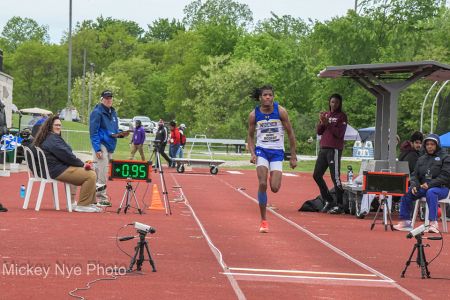
Widener Student Athlete Crowned National Triple Jump Champion
Matayo McGraw ’27 hopped, stepped, and jumped his way to the title at the NCAA Division III Outdoor Track and Field Championship, besting a field of 20 competitors.

A More Perfect Union
The multi-year partnership between Widener and neighboring Philadelphia Union has found the back of the net, again and again, creating opportunities, experiences, and much more for the university community.
Athletics
-
Schwartz Center
- 610-499-4442
- athletics@widener.edu

Crystal Gibson
Executive Director of Athletics/NCAA Compliance Officer

Larissa Gillespie
Associate Athletic Director
-
Schwartz Center
- (610) 499-4434
- lagillespie@widener.edu