First-Generation Students
Find resources, support, and connections to help you navigate college and make the most of your experience as a first-generation Widener student.
Not Sure Where to Go? Start Here



Navigating College When It’s New to You
College comes with its own language, expectations, and processes, and no one arrives knowing how everything works. Here are a few things worth knowing as you find your way:
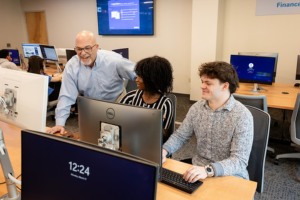
Office Hours Are Student Hours—They’re Meant for You
Office hours aren’t just for when you’re struggling. They’re time your professors have specifically set aside for students. You don’t need to have a big problem or a perfect question to stop by. Use the time to ask a quick question, get help understanding course material, talk through an assignment, or simply introduce yourself. Getting to know your professors early can also make it feel much easier to reach out when you need support later.
Want more ways to succeed in and outside the classroom? Explore tips for academic success
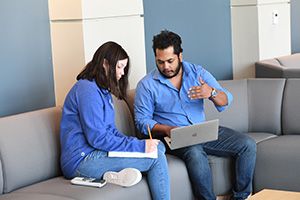
Your Advisor Can Help with More Than Your Schedule
Your advisor can help you understand degree requirements, make academic decisions, explore your options, and work through challenges. You don't have to wait until registration to reach out.
Not sure who your advisor is? You can find your academic advisor’s contact information in your self-service portal. If you need additional help, email studentsuccess@widener.edu.

It's Okay if College Terminology Feels Unfamiliar
FAFSA, registrar, credit hours, prerequisites, holds—college comes with a vocabulary of its own, and it can take time to learn. You're not expected to know what everything means from day one. If you come across a term, process, or requirement you don't understand, ask. Chances are, you're not the only one wondering.
What I Wish I Knew: Advice from the Pride


Mary Allen
Executive Director of CommunicationsI wish I knew that professors' office hours are for providing help, but they also present an opportunity to build relationships with faculty. Those relationships can change the trajectory of your career, and the really special ones don't end after graduation.

Joesph Howard
Vice President for Enrollment & TechnologyThere’s a whole hidden vocabulary I didn’t know about. I didn’t know what a syllabus was! And had never heard of graduate school. Or RAs. Or office hours. Or sociology (funny enough, sociology was my eventual degree). I wish I had a vocabulary cheat sheet.
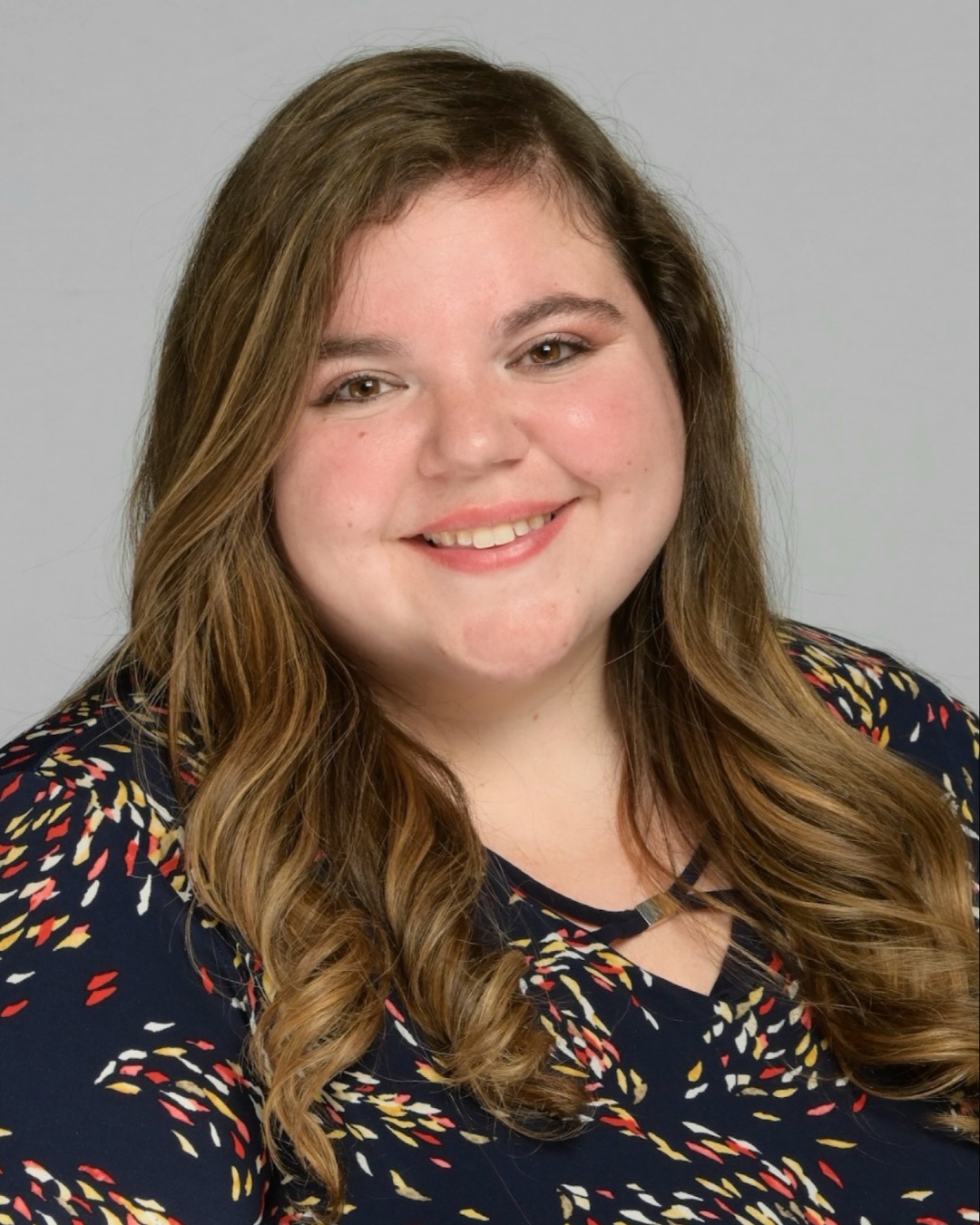
Victoria N. Fine
Director of Student OrganizationsOne thing I wish I knew when I first started college is I didn’t have to figure everything out on my own. There were people on campus whose job was to help me, and asking for help was a strength, not a weakness.

Newly Admitted First-Gen Student? Get a Head Start with the 1821 Experience
The 1821 Experience is a pre-orientation program that helps incoming students build connections and confidence before the semester begins. Move in early, meet other students, explore campus, and connect with student leaders.
All incoming students can apply, with first-generation students especially encouraged to participate. Students can also continue building community through the 1821 Experience Living Learning Community (LLC) in Sharples Hall.
First-Gen FAQs
In most cases, you're considered a first-generation student if neither of your parents or guardians earned a four-year bachelor's degree.
The Financial Aid Office can answer questions about FAFSA, scholarships, grants, loans, payment plans, and maintaining your financial aid eligibility. If you're unsure about your options or have questions about your bill, don't hesitate to reach out.
One of the best ways to build your community is by getting involved. Here are a few ways to start:
- Attend campus events and meet students from across Widener.
- Join a campus club or student organization based on your interests, identity, major, or something new you want to explore.
- Explore the 1821 Experience if you're new to Widener to meet fellow students, build connections, and get comfortable on campus before the semester begins.
That's completely normal for many first-generation families. Your family doesn't need to know everything about college to support you. Pridefamilies.widener.edu offers resources, helpful contacts, FAQs, and guidance to help parents and supporters better understand the Widener experience and stay connected along the way.
Although Widener does not currently offer a scholarship specifically for first-generation students, there are many financial aid opportunities you may qualify for. Incoming students are automatically considered for academic merit scholarships, and additional scholarships and grants are available based on factors like financial need, academic achievement, leadership, and other criteria. Completing the FAFSA can also help determine your eligibility for need-based aid, including the Widener Grant-In-Aid.
Explore Widener’s scholarships and grants to learn more about available opportunities.
Additional First-Gen Resources
Student Success and Academic Enrichment
-
528 E. 14th Street
- 610-499-1266
- studentsuccess@widener.edu
Office of Student Inclusion & Belonging
-
Old Main, First Floor
- belonging@widener.edu